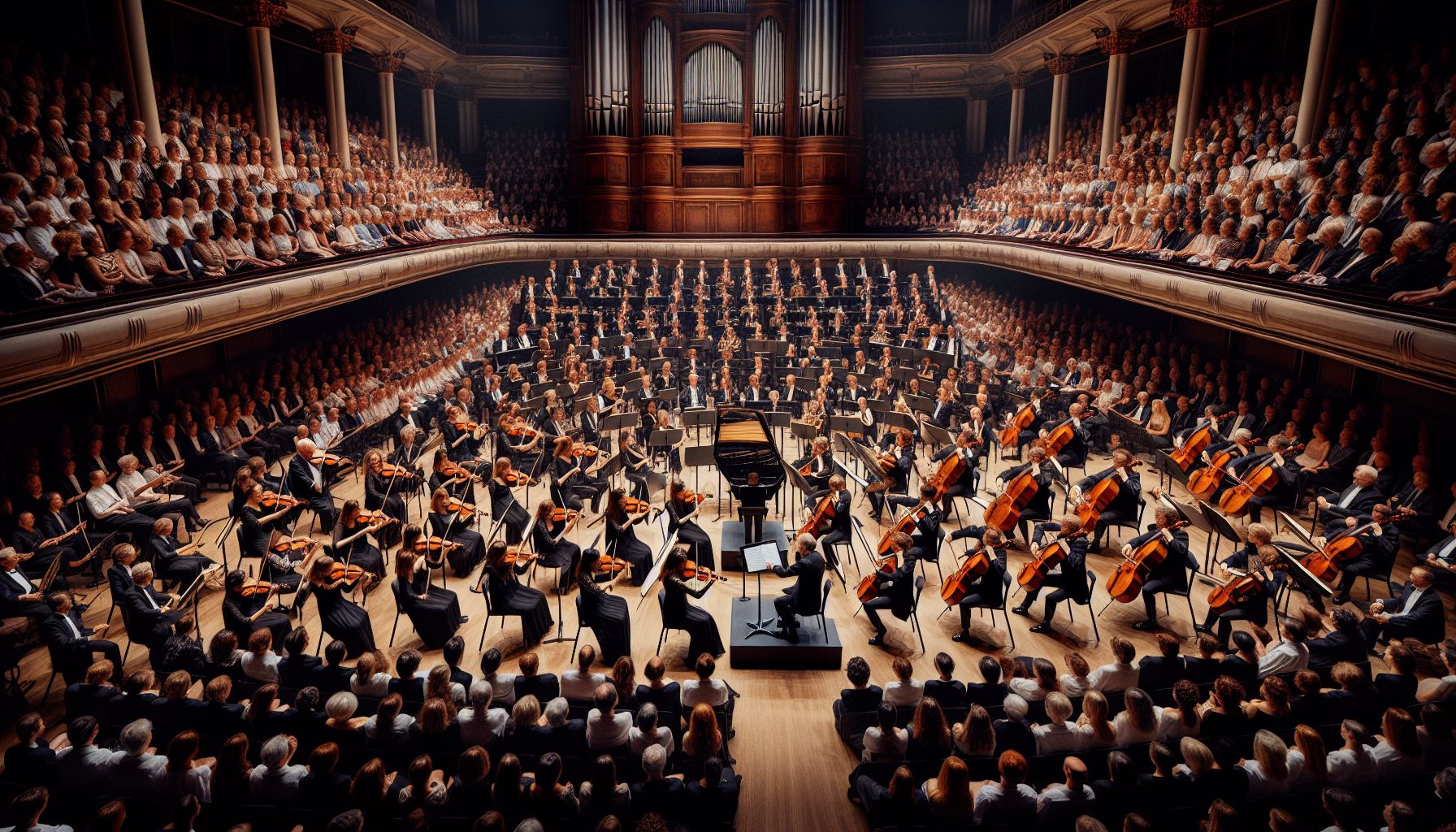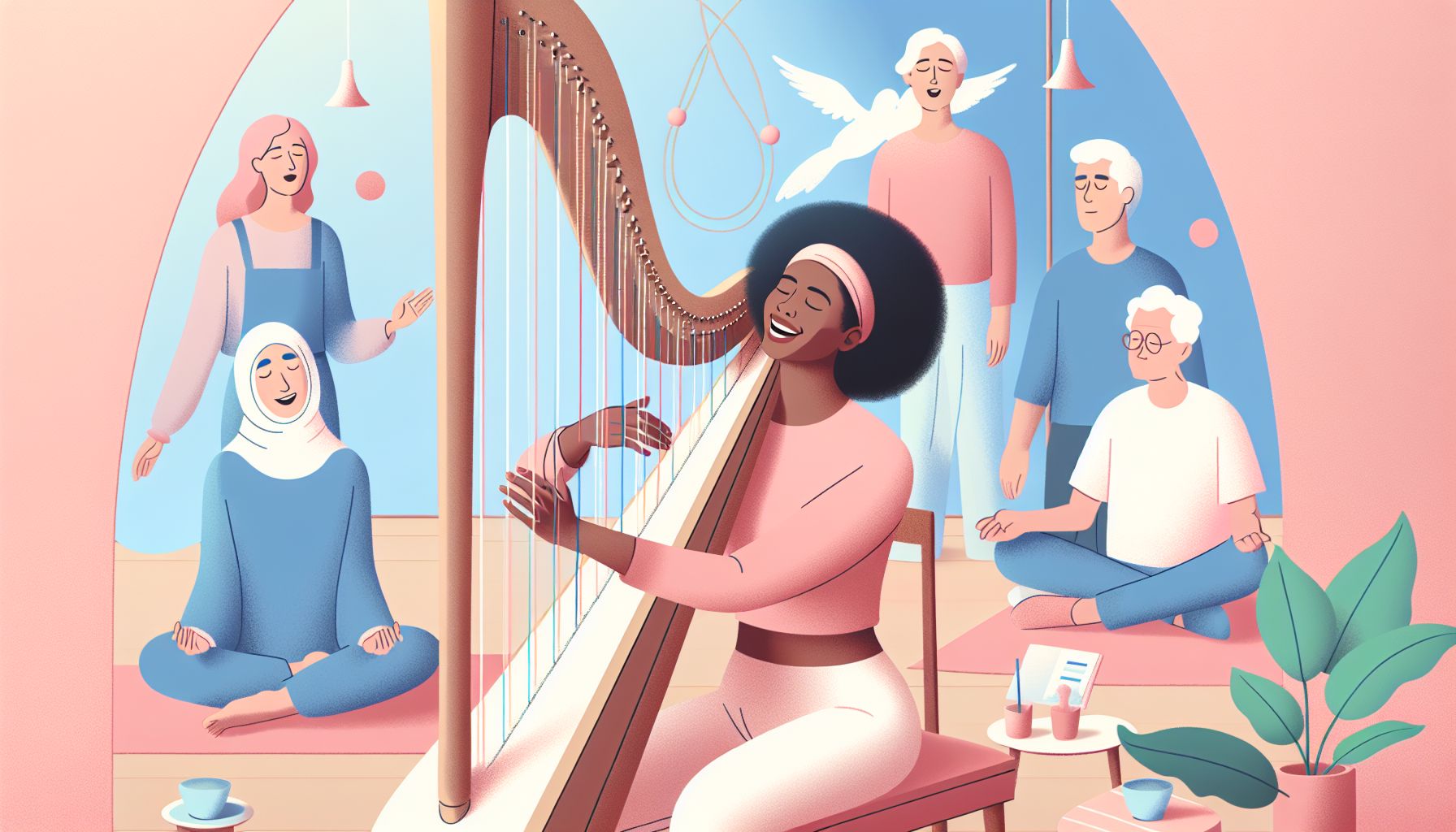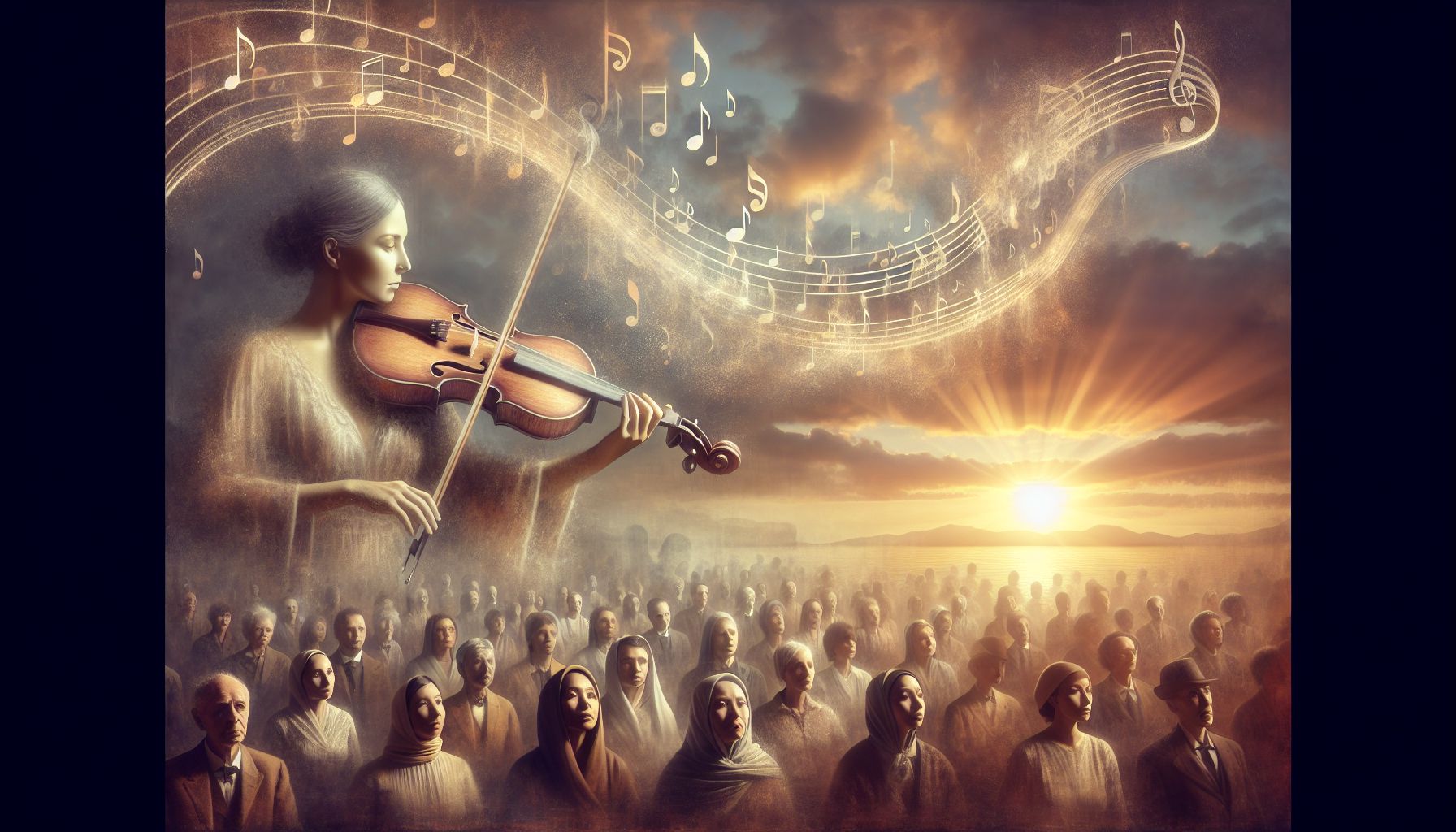
Music is a universal language that transcends borders and connects hearts. The melodies that emanate from various instruments and voices have the incredible capacity to express and evoke emotions in ways that words often cannot. It is this profound connection between music and emotion that underlies the therapeutic potential of music in healing and enhancing well-being.
Introduction
In our fast-paced, often chaotic world, finding a moment of peace can be challenging. Yet, amid life’s whirlwinds, there exists a simple, beautiful solace: music. It can be both a refuge for our aching hearts and a conduit for our overwhelming joys, possessing an incredible power to heal and transform our emotional landscape. The interplay between music and emotion has long been recognized, but only recently has science begun to unravel the true potential of musical therapy.
Body
The therapeutic application of music is not a new concept. Cultures around the globe have used it in ceremonial and medicinal contexts for centuries. However, today’s scientific research supports the idea that music can have tangible effects on both psychological and physiological health. For example, slower tempos can have a calming effect, influencing heart rate and reducing anxiety, while upbeat music can energize and improve mood.
One area where music’s healing properties shine brightly is in the treatment of mental health conditions. Music therapy sessions can help patients with depression, schizophrenia, and trauma by providing a non-verbal outlet for expression. Moreover, research suggests that music can stimulate the release of dopamine, a neurotransmitter associated with pleasure and reward.
Beyond mental health, music has been shown to aid in physical recovery. Patients in hospitals who listen to music post-surgery often require less pain medication and report better overall satisfaction with their care. The rhythms of music can also aid in the rehabilitation of those suffering from motor or cognitive impairments, such as stroke survivors.
Summary
Music’s role in healing is as diverse as the genres that exist within it. Whether through formal music therapy or simply enjoying one’s favorite tunes, the chords of emotion that music touches enable us to confront, process, and ultimately heal from life’s hardships. It can empower, soothe, and rejuvenate our spirits, reminding us that within the notes and harmonies lie an ancient medicine for the soul. As research continues to explore this fascinating intersection of art and science, one thing remains clear: music is not just a form of entertainment but a powerful force for health and happiness.