Classical music, an art form reverberated through time, continues to echo its harmonious threads into the hearts of millions worldwide. While often perceived as the music of the elite, classical tunes have transcended beyond the confines of the aristocratic halls to find a place in the everyday life of diverse audiences.
The Enduring Elegance of Symphonies and Sonatas
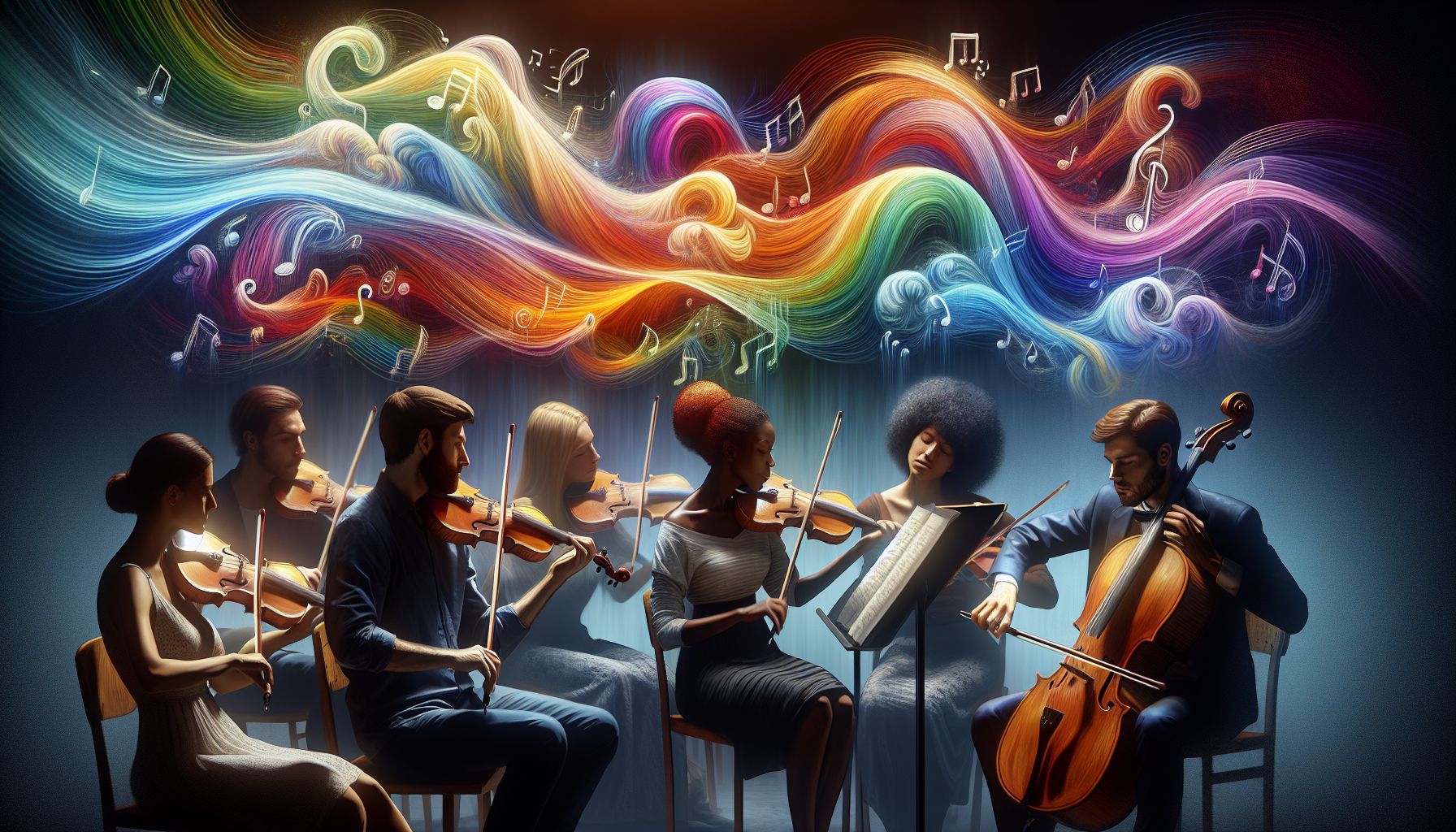
At the core of classical music’s timeless appeal are the grand compositions of maestros like Mozart, Beethoven, and Bach. Each string, woodwind, brass, and percussion instrument comes together in a symphony to create a complex, yet harmonious soundscape that can evoke a multitude of emotions—a testament to the genre’s profound impact on human emotion and cognition.
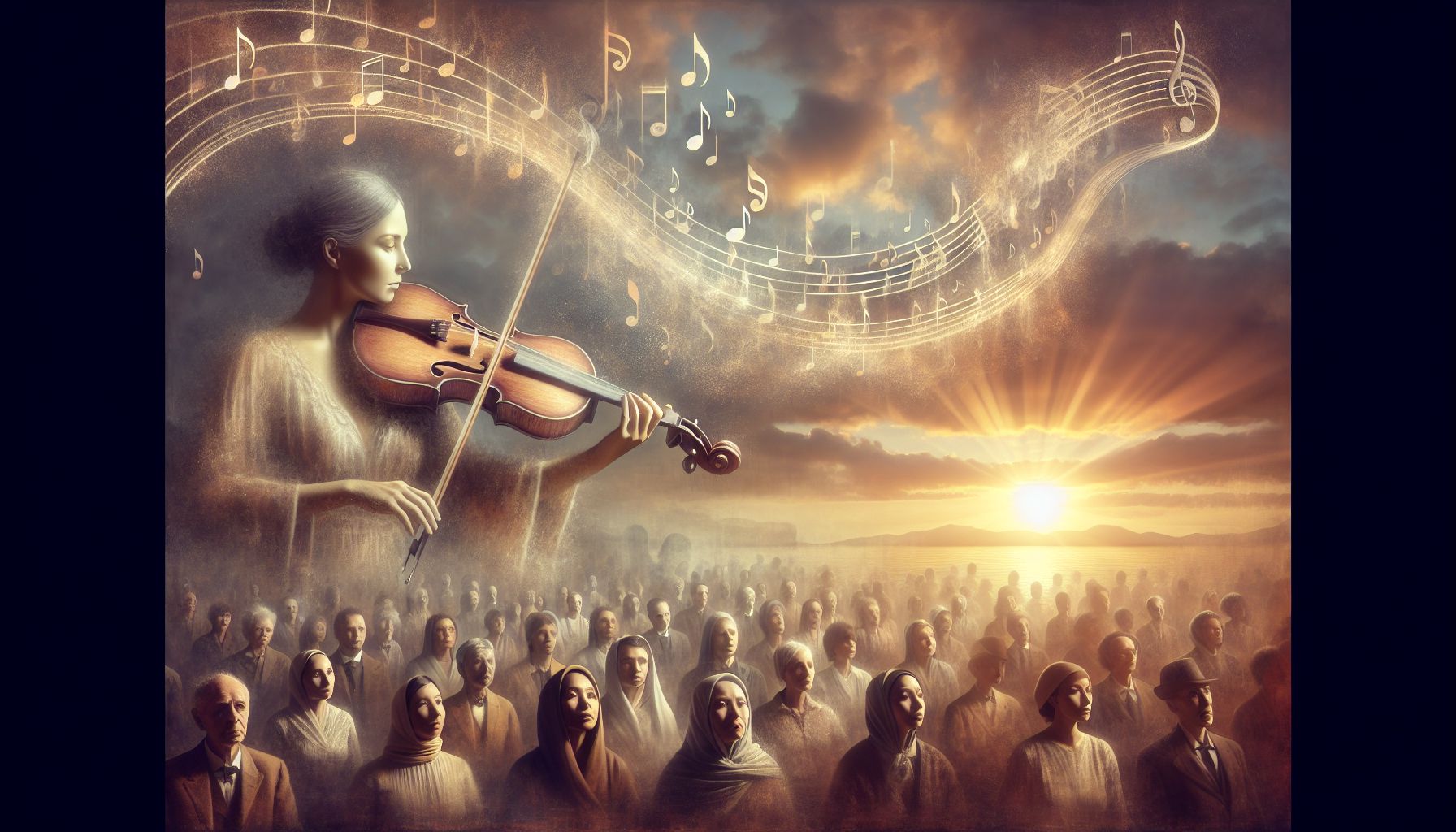
Beyond the large-scale orchestras, soloists on piano, violin, and cello breathe life into sonatas and concertos, with each note masterfully executed to stir the soul. It’s in these intimate performances where the subtleties of classical music can be fully appreciated, encouraging deep listening and introspection.
Adaptations and Innovations: Keeping Classical Music Alive
Despite its historic origins, classical music is far from being static. Modern adaptations and the incorporation of new technologies keep the genre evolving. Films, commercials, and even video games often feature famous classical pieces, reimagined to fit contemporary contexts, thereby introducing them to new listeners and ensuring their relevance in today’s fast-paced world.
Simultaneously, classical fusion genres that blend traditional elements with jazz, pop, or world music have emerged, sparking interest among younger generations and demonstrating the genre’s versatility and capacity for reinvention.
In Summary: A Symphony of Continuity and Change
Classical music, with its intricate arrangements and timeless melodies, remains a dynamic and influential force in the cultural landscape. Its universality lies in its ability to adapt, resonate, and communicate across generations and geographies. Embracing tradition while encouraging innovation, classical music continues to weave a tapestry of sounds that both honors its ancestry and looks toward the future. It is a testament to the enduring power and beauty of human creativity and expression—one that will continue to be celebrated for centuries to come.