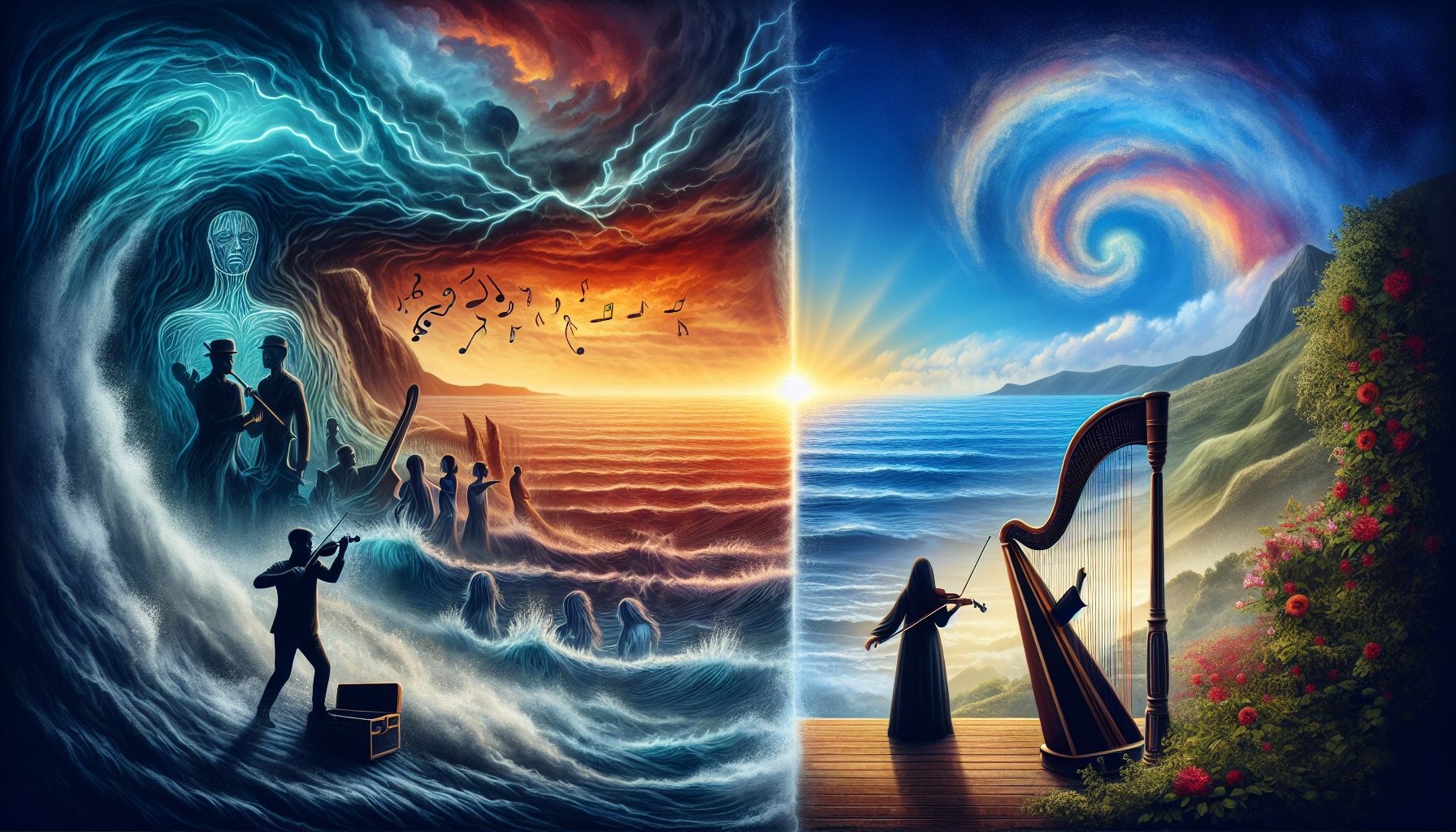
Introduction: An Ancient Melody Still Echoing
In this modern era of booming technology and quick access to amassing amounts of music from various genres, one might wonder about the relevance of classical music. This grand, sometimes seemingly old-fashioned musical era can appear stilted to those who are freshly dipping their toes into its wide, melodious waters. But rest assured, despite evolving musical trends, classical music still plays a significant role in our modern society.
Tuning Into the Beauty of Classical Music
Often perceived as the music of the elite, classical music is brimming with a depth of emotion and intellectual interest that transcends time and space. Compositions from famous maestros like Mozart, Bach, Beethoven, and more are still performed today, evoking feelings of wonder, joy, or even unshed tears, just as they did centuries ago.
Exploring its relevance goes beyond the nostalgia attached to it. The complexity and depth offered by classical music guarantee a unique musical experience not only to the performer, but also to the listener. The range of dynamics, tonality, and rhythms, coupled with intricate melodies and harmonies, create a labyrinth of emotions that no other musical genres can offer.
A Contemporary Role: Classical Music in Today’s Context
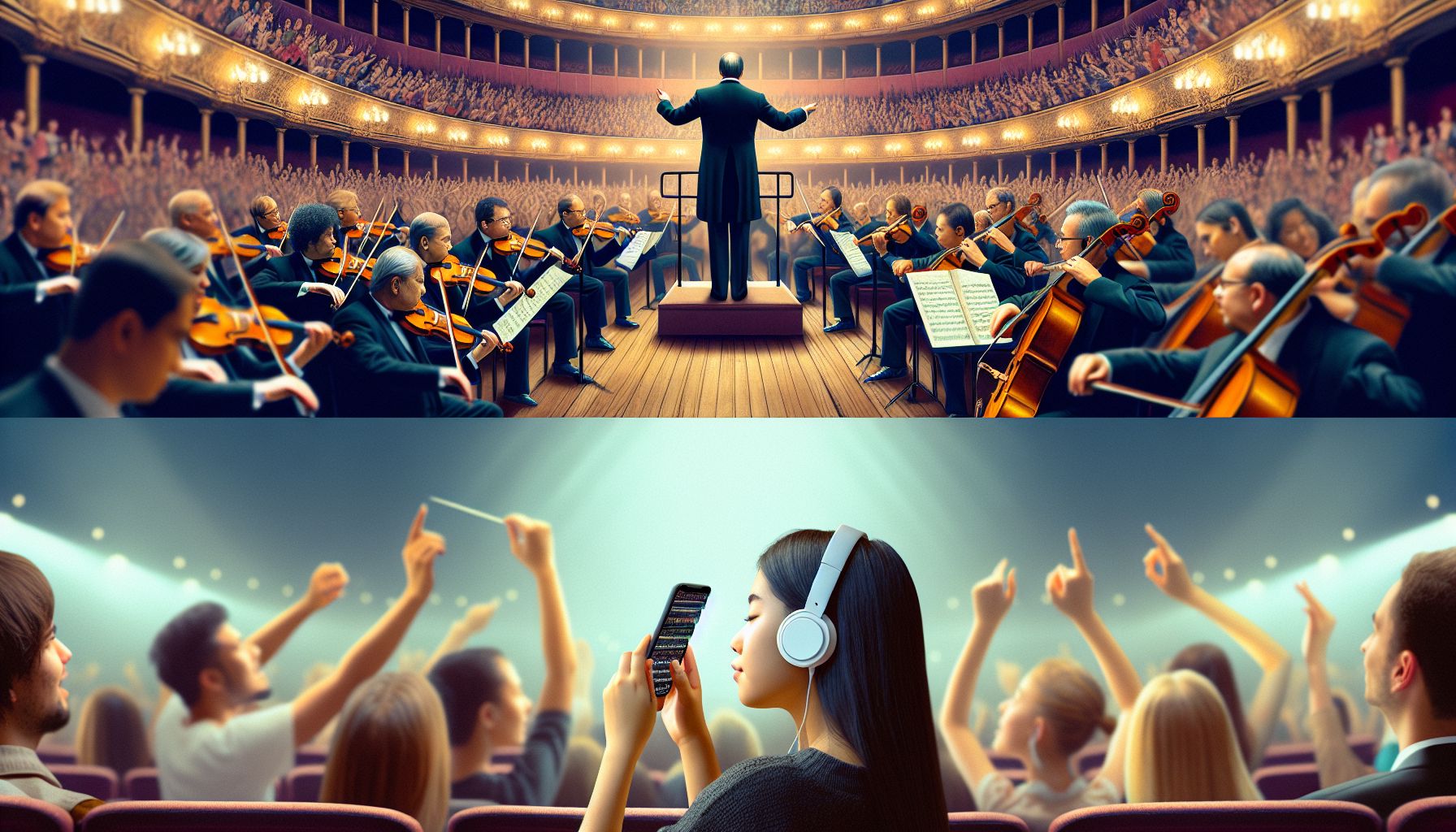
Despite being hundreds of years old, classical music has a surprisingly modern presence. Movie scores often draw heavily from classical traditions, creating rich, evocative backdrops to on-screen events. In education, many researchers point to the benefits playing or listening to classical music may have on a child’s cognitive development. Symphony orchestras worldwide continue to perform classical works, drawing large audiences in the process. It’s also a well-known fact that classical music can have a tremendous impact on our mental health, helping reduce stress and anxiety.
Summary: Classical Music, a Timeless Symphony
From being the background score in many blockbuster movies to aiding cognitive development, classical music continues to assert its relevance even today. Its appeal may seem cloistered, especially when pitted against contemporary genres. Nevertheless, the evocative rhythm and melody it emanates resonate widely, transcending the barriers of time and trends. Indeed, classical music is a priceless, ever-relevant part of our cultural and intellectual heritage, a testament to the ultimate human creative spirit.
In a world where trends come and go, the timeless strains of classical music remind us of the durability of great art, its capacity to move, inspire, entertain, and – more importantly – to endure. Countless melodies have been composed, many rhythms have beaten, but the magic of classical music is a symphony that will never stop playing.