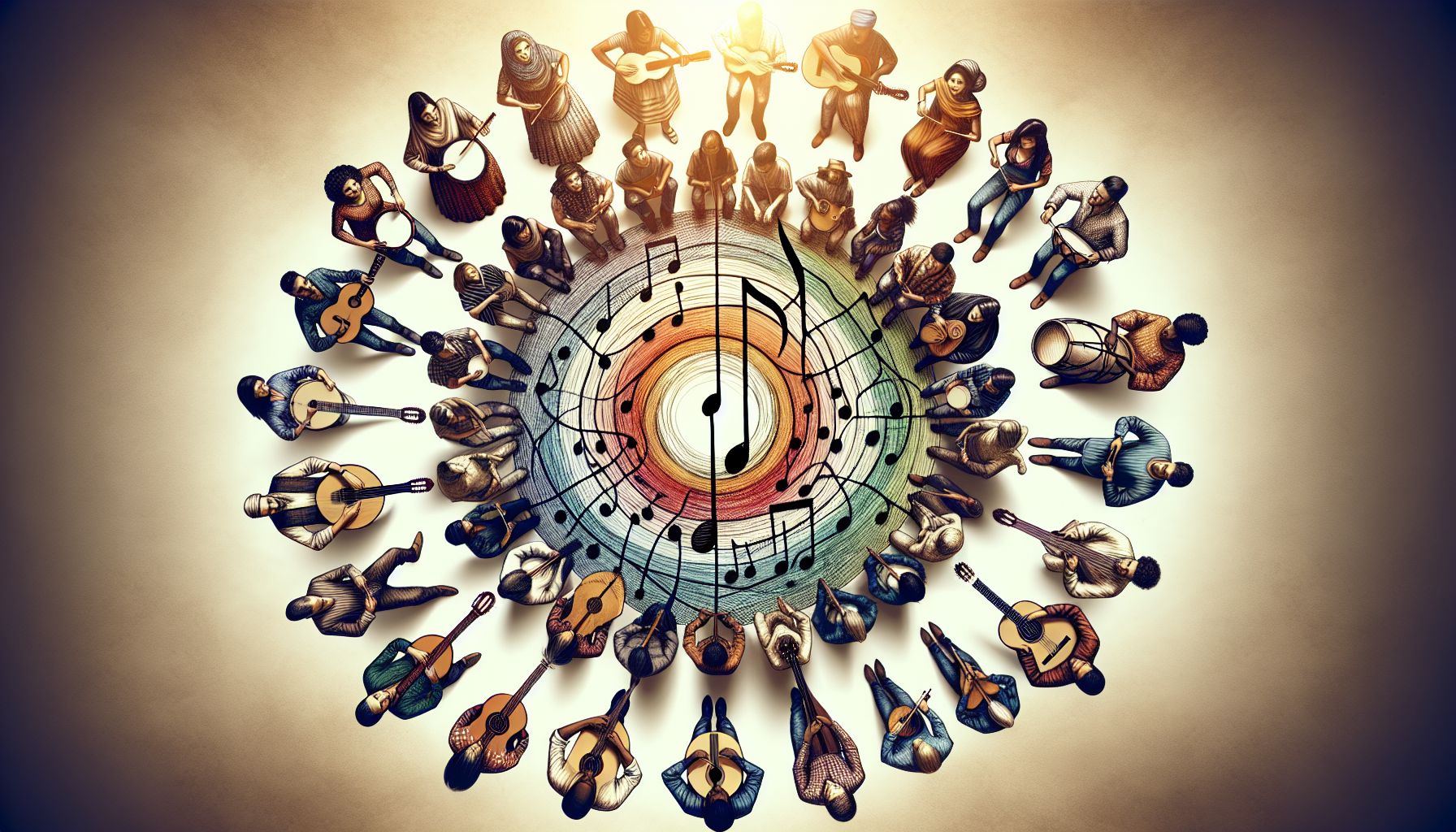
Music is a universal language that transcends boundaries and has been intertwined with the human experience for centuries. It has the capacity to evoke powerful emotions, memories, and reactions within us. The therapeutic potential of music has been harnessed in various forms over the years, leading to the development of a specialized field known as music therapy. This therapeutic approach uses music to address physical, emotional, cognitive, and social needs of individuals, enabling healing and personal growth in ways that sometimes surpass conventional therapy.
The Symphony of Healing
Music therapy is based on the understanding that music can affect physiological responses such as heart rate, blood pressure, and breathing. It is employed to help with a variety of conditions, from psychological disorders like depression and anxiety to developmental and learning disabilities, dementia, autism, and even chronic pain management. The modality of music therapy can include listening to music, singing, playing instruments, or even composing music.
The act of engaging with music can serve as a non-verbal platform for expression. It provides a safe space for individuals who might find it difficult to articulate their thoughts and emotions. For children with autism, for example, music therapy can be a powerful means to improve communication skills and emotional expression.
Music therapists are trained professionals who tailor sessions according to the needs of the individual. They may work in various settings, including hospitals, rehabilitation centers, schools, hospices, and private practices. Sessions can be one-on-one or in group formats, and the music used can range from classical and jazz to rock and pop, depending on the therapeutic objectives and the preferences of the individuals involved.
A Crescendo of Benefits
The benefits of music therapy are as diverse as music itself. Research has shown that it can:
- Alleviate stress and anxiety
- Boost mood and motivation
- Enhance memory and cognitive function
- Improve communication and social skills
- Encourage emotional expression
- Facilitate physical rehabilitation
Conclusion Cadence
The fascinating field of music therapy continues to grow as more people experience its positive effects. Whether it’s through the precise touch of a piano key or the soulful strum of a guitar string, music therapy holds a unique key to unlocking profound human potential. By intertwining the art of music with the science of healing, music therapists provide a harmonious pathway to wellness that resonates with the very core of our being. As research proliferates and awareness increases, the magical strains of this therapeutic modality promise to play an even greater role in the symphony of holistic healthcare.