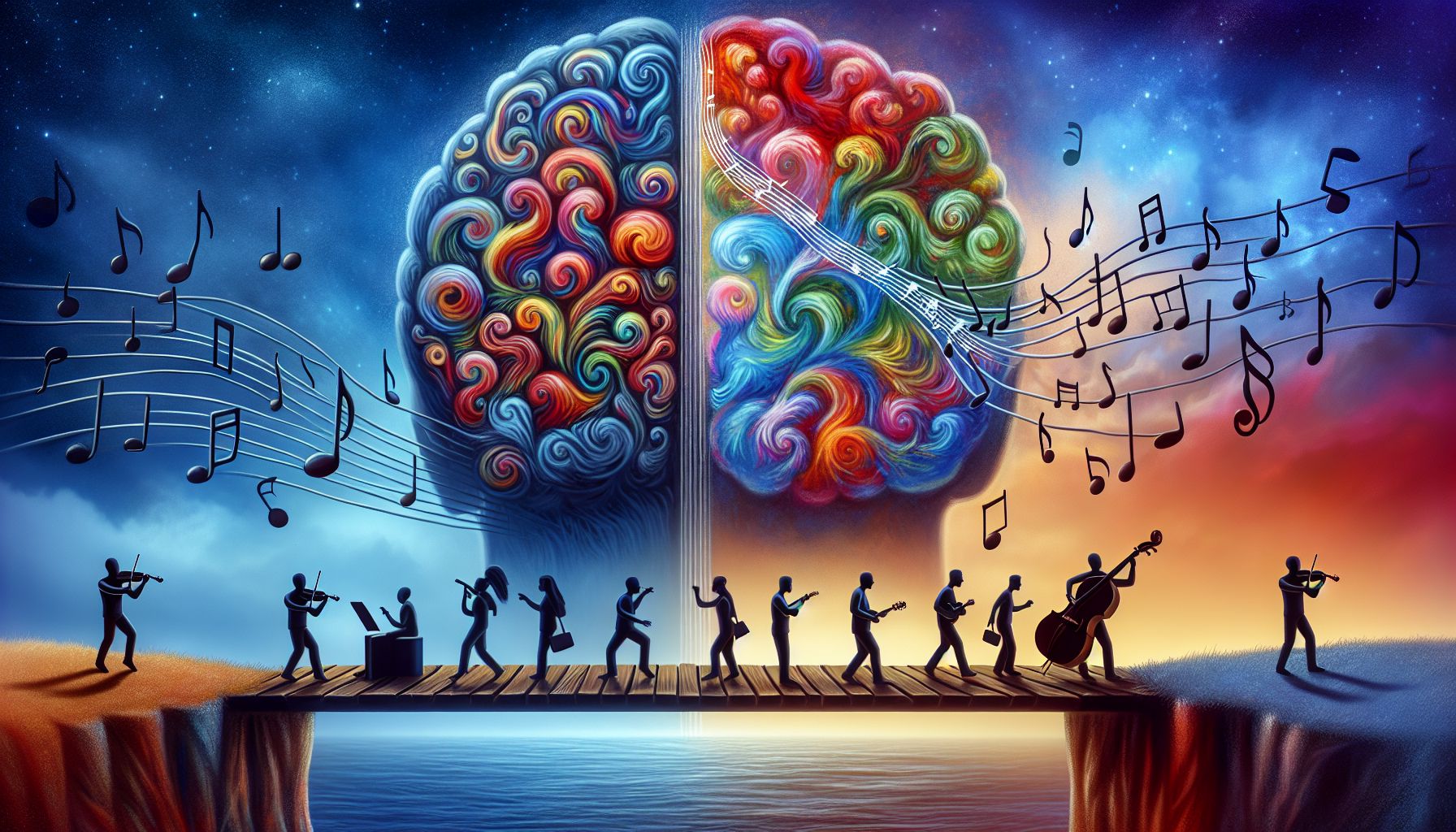
Music is an integral part of our lives. It is a universal language that transcends borders and connects hearts. From the upbeat tunes that make us want to dance to the somber melodies that comfort us in times of sorrow, music has the power to evoke a wide range of emotions. In this blog post, we explore the connection between music and our emotional well-being, uncovering how tunes can transform our mood, health, and overall happiness.
The body of research on music and emotions is vast, with scientists and psychologists alike delving into the heart of music’s profound impact on our psyche. The basic structure of music, including tempo, volume, and melody, is known to directly influence our emotional responses. A fast-paced, lively song can uplift our spirits and energize us, while a slow, gentle tune might soothe our nerves or induce a reflective state.
Our personal associations with certain songs also play a vital role in how music affects us. A particular song might remind us of a cherished memory, a lost love, or a significant event in our lives. These associations can instantly trigger emotions, transporting us back in time to relive moments of joy, nostalgia, or even sadness.
In therapeutic settings, music is often employed to promote mental health. Music therapy has been shown to be effective in reducing anxiety, depression, and stress. It supports cognitive functions, helps in emotional release, and improves the quality of life for individuals dealing with psychological or neurological conditions. Moreover, the act of creating music—singing, playing an instrument, or composing—can be a powerful outlet for expressing feelings that might otherwise be hard to articulate.
In everyday life, music also acts as a social glue. Group singing or communal dancing can foster a sense of belonging and shared identity, strengthening social bonds. This communal aspect of music can be uplifting and can help alleviate feelings of loneliness or isolation.
In conclusion, music is much more than a mere backdrop to our daily routines; it is a potent tool for emotional regulation and well-being. From its therapeutic applications to its ability to unite communities, music holds an extraordinary place in our emotional lives. Whether it’s through a pair of headphones or the collective chorus of a crowd, music continues to heal, inspire, and uplift the human spirit. As we navigate through the complexities of life, let us not underestimate the melodies of the mind and their capacity to infuse our days with harmony and happiness.