Classical music, an art form whose echoes transcend through time, often conjures images of grandiose concert halls, black-tie audiences, and the delicate bowing of a violin. It is a genre deeply rooted in history, yet persistently relevant, offering a unique sound that continues to captivate listeners of all ages.
Introduction
In an era where music is often defined by the latest trends and pop culture movements, classical music stands as a testament to the enduring power of intricate compositions and the refined skills of dedicated musicians. While some may regard it as the relics of a bygone age, its persistent influence on the modern music scene is a reflection of its timeless allure.
The Heart of Classical Music
At its core, classical music is about expression, storytelling, and technical prowess. Composers like Wolfgang Amadeus Mozart, Ludwig van Beethoven, and Johann Sebastian Bach have left behind rich legacies that are studied and performed around the globe. Their works embody complex emotional narratives, from the impassioned fervor of Beethoven’s symphonies to the subtle elegance of a Bach concerto.
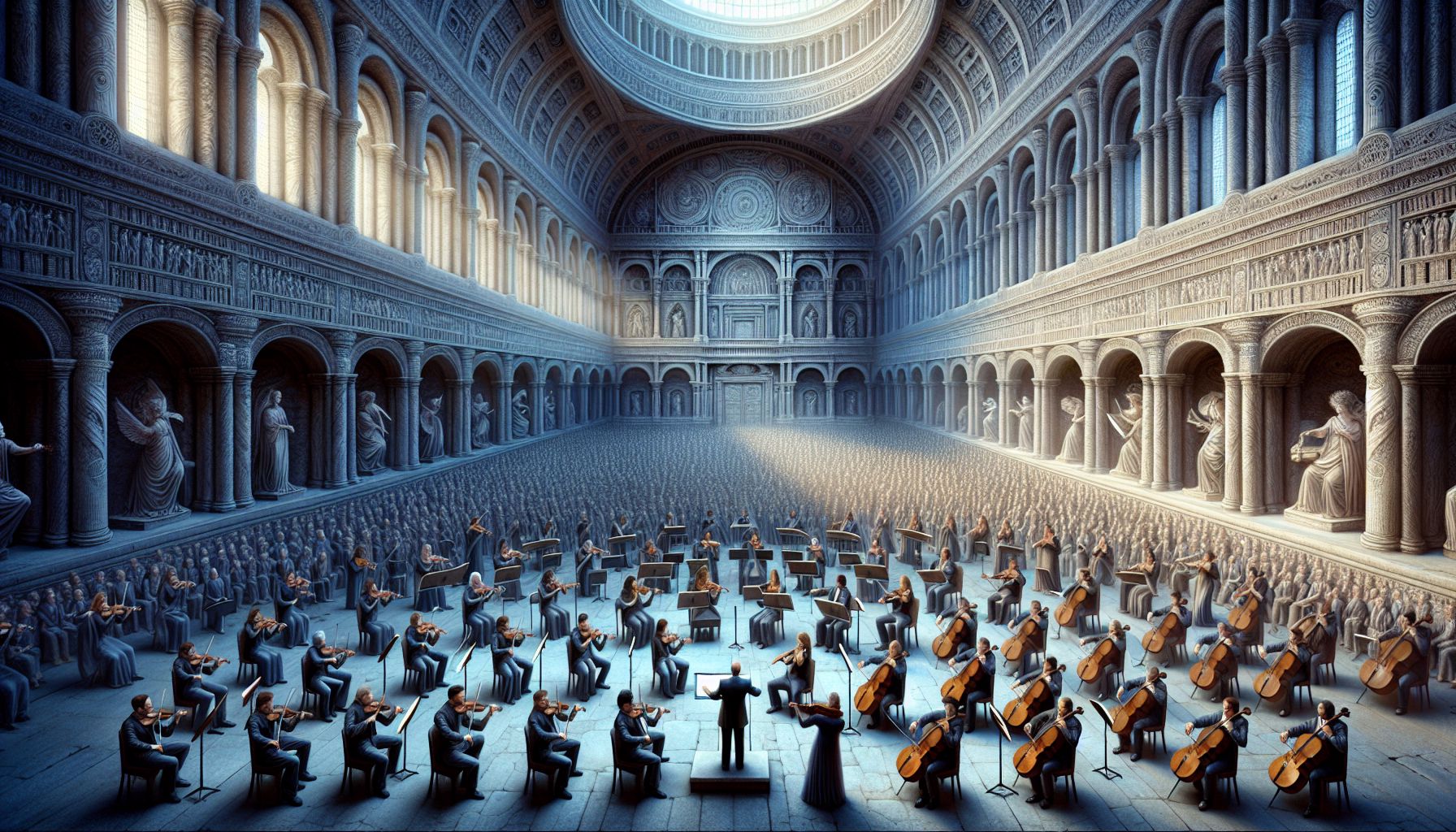
This genre isn’t just a relic for the history books – it’s a living, breathing tradition. Modern classical composers continue to expand the boundaries, seamlessly blending contemporary motifs with classical structures. Concert halls still fill to the brim as enthusiasts and newcomers alike gather to experience the grandeur of a live symphony orchestra.
The education offered by classical music is profound. Learning to play a classical instrument or to appreciate the nuances of symphonic tapestries can enhance cognitive development, emotional intelligence, and cultural literacy. Its profound impact on film scores, television soundtracks, and even modern pop music illustrates its adaptability and wide-reaching influence.
Summary
As we dive into the complexities and grandeur of classical music, we must recognize its unique place in the panorama of musical genres. It is an art form that has survived the test of time, proving that some things are indeed timeless.
The beauty of classical music lies not only in its historical significance but also in its ability to evolve and resonate with contemporary audiences. Its enduring charm serves as a reminder of the human spirit’s capacity to find beauty in structure, discipline, and the deep emotions that music can stir within us.
By embracing both the revered traditions of the past and the innovative prospects of the future, classical music remains a genre that will forever inspire, challenge, and delight listeners of all walks of life.