Introduction
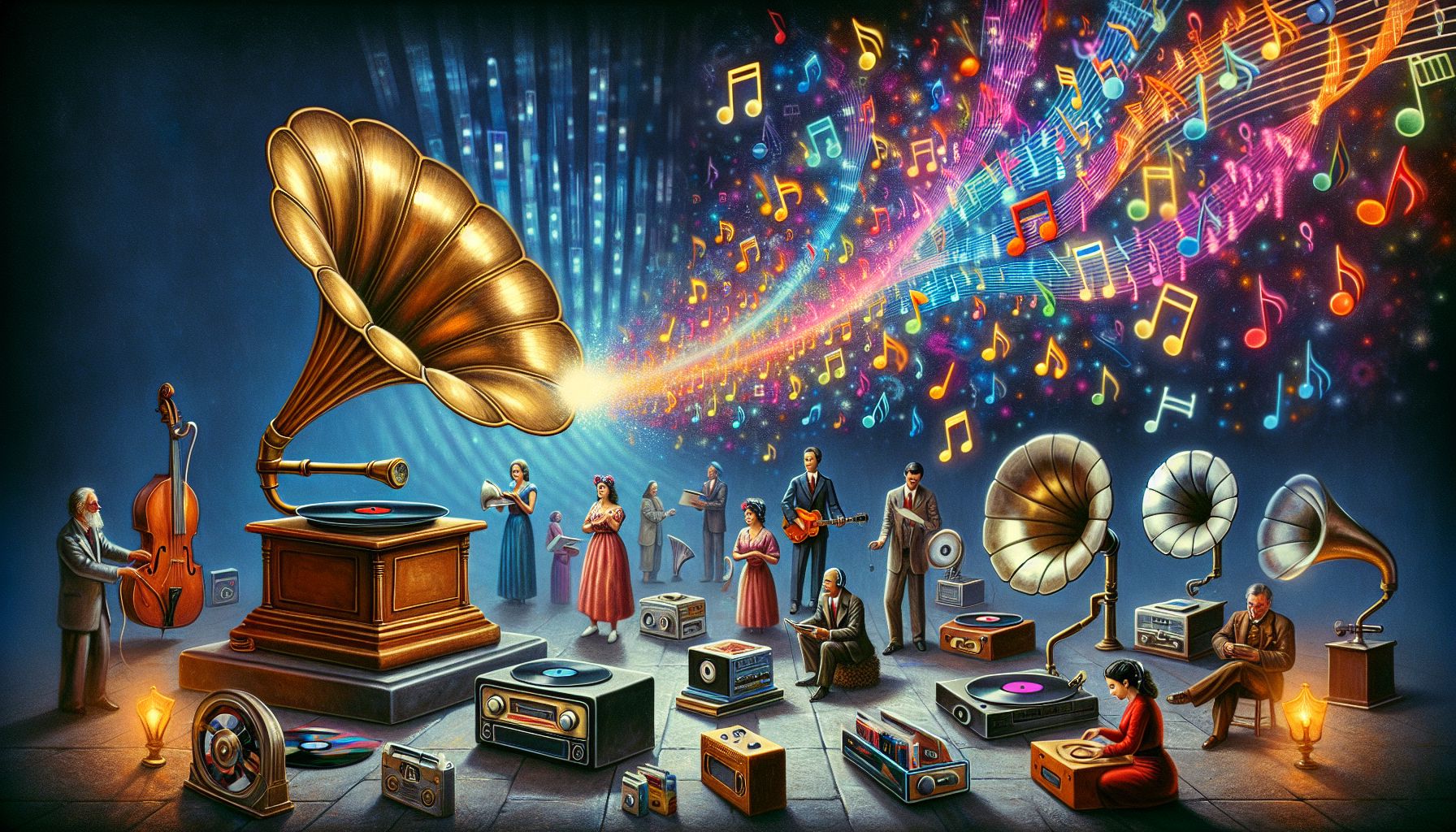
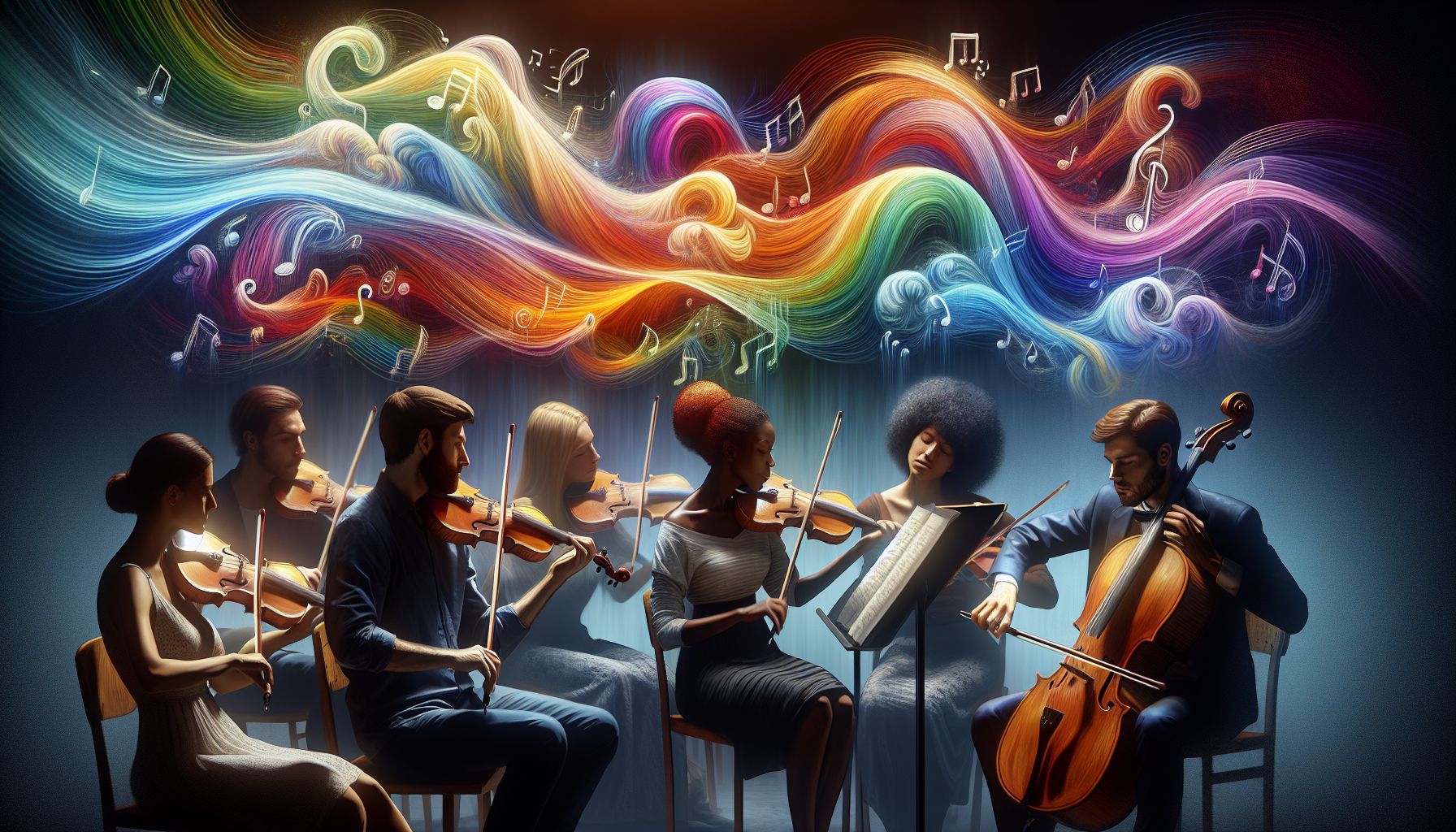
Music is an extraordinary force, capable of evoking a spectrum of emotions from joy to sorrow, tranquility to excitement. It accompanies us through life’s highs and lows, often serving as a backdrop to our most significant moments. But have you ever paused to reflect on the potent influence music exerts on our emotional state? Let’s embark on a harmonious journey to discover the mystical connection between rhythms and our emotional world.
Body
The power of music to influence emotions is universally acknowledged, yet its intricacy is a masterpiece of psychological artistry. The relationship between melody and emotion can be witnessed in our everyday life. From the jubilant beats that spur us to dance to the somber tunes that accompany our grief, music is an ever-present emotional catalyst.
One of the reasons music is able to stir such strong emotional reactions is due to its ability to engage with our brain’s reward system. This interaction releases dopamine, a neurotransmitter often associated with pleasure and satisfaction. Hence, when our favorite song hits the airwaves, it’s not just our ears that light up, but our whole neural landscape.
Furthermore, music’s tempo, key, and volume interact with our physiological responses. Energetic songs with a fast tempo can increase heart rate and respiratory rate, which coincides with heightened alertness and energy. In contrast, slow-tempo music may lower these rates, promoting a sense of calmness and relaxation.
Lyrics play a critical role, too. They tell stories, express emotions, and align closely with our personal experiences. It’s no wonder we often find solace in songs that echo our own life situations, forging a profound connection between the artist’s expression and our personal narratives.
Cross-cultural research has also illuminated music’s universal language. While genres and styles differ, the fundamental human experience of music as an emotional companion remains constant across societies, proving that our reaction to music is deeply rooted in the collective human experience.
Summary
The magic beneath the melody lies in its innate ability to resonate with the depths of our emotional being. Music’s ability to manipulate mood and evoke various emotions is not only a testament to its power but also its essential role in the human experience. As we continue to tap our feet to the rhythm of life, let’s cherish the melodies that have the extraordinary capability to touch our hearts and transform our emotions. After all, music isn’t just an auditory experience, but a gateway to a rich emotional landscape, waiting to be explored.